|
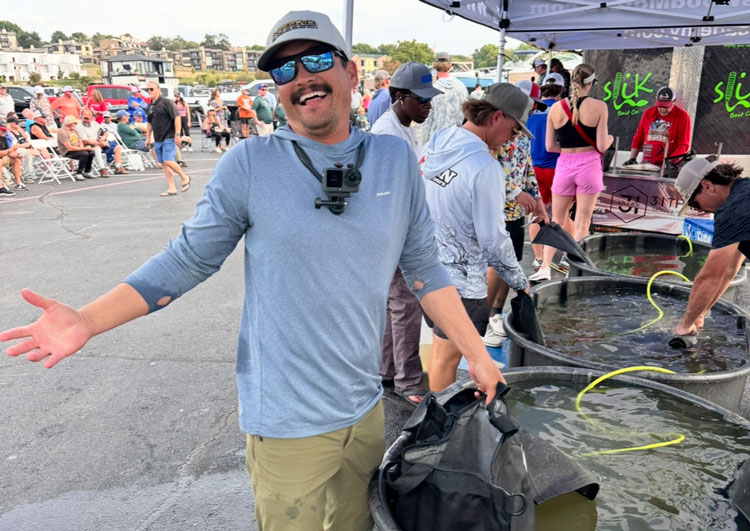
My local lake has one big tourney a year and it was this weekend. Went to the weigh-in to see a couple buds and hopefully get some intel on how folks were catching 'em. Did both of those (ordered some DT14s and DT16s yesterday lol) and guess who I saw there:
|
|
|
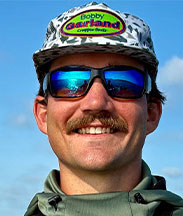
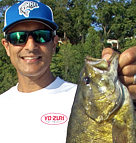
I was like – what in the world are you doing here?? His answer: Why not fish it? He's semi-local and never fished the lake before – it should make a good Zaldaingerous vid. I think he had 20-ish lbs, not bad!
I got out and caught a few Fri. Mostly the Tungsten EVO ChatterBait again, one on a shakey head. I got the shakey fish first and up shallow so I figured they would hit a moving bait and they did!
Before going out I had to buy gas at the dock. About fell outta the boat when I saw how much it cost – $200+! Been a long time since I bought gas that way, dang!
Other than that, that $1 mil WBE tourney – Elites vs BPTers – is this weekend. Don't think I've ever seen pro fishermen (and others) hype any tournament as much as this one. Interesting.
New deal, tough lake, tough time of year – let's see what happens man! No matter what, the winner's gonna have to do some "creative" tax accounting! 🤣
|
|
|
Gitcha Blaster video fix here:
|
|
|
If your email program cuts off the bottom of the email click "View this email in your browser" up top to see the whole thing. Sorry bout that – email programs keep changing stuff.
|
|
|
|
Junk Scoping got the EQ W on Toledo Bend
|
|
|
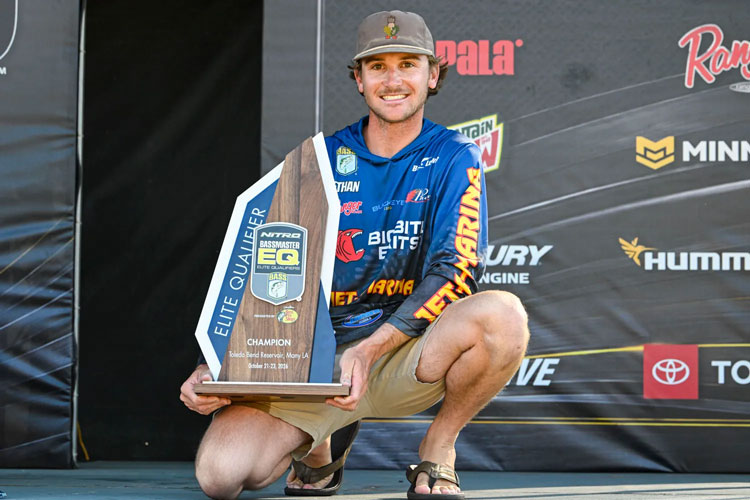
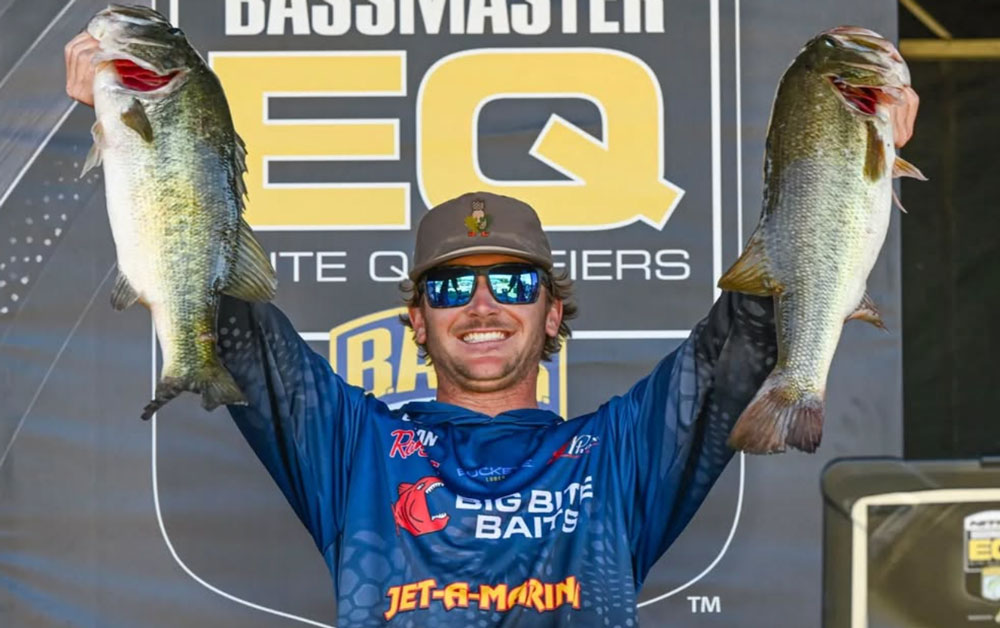
Ever heard of "junk scoping"? Well you have now cuz that's what EQ angler and current member of the McKendree U, IL bassin' team Ethan Fields said is how he won last weekend's Bassmaster Opens EQ.
He had 73-03 with "only" had 17-03 on the final day. Here's 5 Qs with him on the win.
1. How did practicing for a fall tournament like this differ from a typical tournament during the spring?
> "Especially in TX, I feel like finding fish around drains is a big deal. I was at Sam Rayburn earlier this year, and that's what I was doing the entire time. I could find areas that had a bunch of fish, whether they were on the bottom or floating. But I never found any of that at Toledo.
> "The first day of practice, I went into a creek right by where we were staying. It was windy, so I figured I'd just hunker down in there all day. I ended up catching about 25 lbs in that creek, but I never felt like I found an actual pattern for where the fish were setting up.
> "It was random. You'd find one cruising down the bank, one on a dock, or work your way out to a flat and happen to come across one. It wasn't like they were ever relating to a certain edge or anything.
> "I think the main reason those fish were up on the bank was because of the gizzard shad. A lot of gizzards were up there.
> "But it wasn't like you could find a flat and see 10-15 big bass swimming around. You might see one random fish cruising through, and you just had to be there at the right time. I think it was a big timing deal.
> "[Docks] from the mouth to the middle of the creek was the best area. If I went any farther back than that, it started becoming a dead zone.
> "The docks themselves gave those fish some structure to relate to. I also caught a couple fish around stump flats – those stumps would hold bass where the gizzards were.
> "I really didn't have an actual pattern. It wasn't like I could run a bunch of stumps that were all set up a certain way and expect to catch fish. It was seriously just putting the trolling motor down and going.
> "I still don't understand exactly why I caught the fish where I did. It was just putting the trolling motor down and 'junk scoping' – pretty typical in the fall. I feel like the fish are just spread out."
2. A lot of the top guys were targeting fish feeding on gizzard shad. Is there a way to pattern where they will be or is it just a matter of covering water?
> "If you got on a really flat bank, that's where a lot of the gizzard shad would be. But for some reason, it didn't necessarily correlate to where the bass were. You could get into an area with so many gizzards that you could barely see your screen, but you'd never see a bass. It was weird.
> "You could definitely pattern where the gizzards were, but you still had to put the trolling motor down and cover water to find a bass that wanted to target them.
> "I think those bass were more set up in areas where they could ambush the gizzards rather than just following them around."
Follow-up: How can you tell when bass are feeding on gizzards instead of threadfin?
> "Just by seeing those bass up on the bank. Typically, when you've got bass cruising in 1-2' of water, that's what they're going after. Most of the threadfin were out in the middle.
> "I never saw any big bass in practice that were suspended out over bait, which would typically be your threadfin-eaters. Those gizzard shad like getting up in the sun in that shallow water and the bass were following behind them."
|
|
|
3. You mentioned that the turnover affected those fish. Did that have more of an effect on where they were or how they were biting?
> "I think it affected how they were biting more than anything. The first 2 days were good. You could tell by the weights and just talking to everybody in the weigh-in line. I think the lake got through its full turnover cycle on the final day, and that's what made it so tough.
> "I was the only one in my creek early, so I wasn't getting hardly any pressure in there. I definitely wasn't seeing the number of big fish that I saw the first 2 days, but I still had plenty of opportunities.
> "They were seriously running away from my bait. I'd throw the Coike, which was my main player, and half of them would run away from it.
> "I thought about switching to a minnow a couple times, but they didn't like that either. I'd drop my minnow to the bottom, and they wouldn't even follow it down. So I knew that presentation wasn't going to work.
> "I just stuck with the bait that got me there. I felt like if I came across the right fish, it was going to bite that Coike."
Follow-up: When fish start running away from your bait like that, what adjustments do you make?
> "A lot of times, that's when a Neko worm will come into play. I'll usually figure that out with a minnow first.
> "I'll work the minnow around a fish, and if it doesn't want to eat I'll let the bait fall to the bottom. A lot of times, those fish will follow it down, and sometimes they'll eat the minnow right off the bottom. When I start seeing that behavior, that's when I know to switch to a Neko rig.
> "I thought something a little more finesse like that might work on the final day, but I couldn't even get those fish to follow a bait to the bottom.
> "At that point, I figured it was just going to be tough. The drawing power of the Coike was probably what I needed to keep in my hand. It had gotten me into the lead going into the final day. So instead of switching techniques, I went back to covering water and putting my bait in front of as many fish as possible."
4. How do you adjust your Coike setup based on the fish's behavior?
> "I kept the same-size Coike Fullcast on the entire time. The biggest thing is the weight. Throughout the week, when those fish were cruising really hard, I could use a pretty heavy weight. Usually, they'd eat it on the 1st or 2nd twitch.
> "The main reason for the heavier weight was just to get the bait down to them quicker. When those fish are cruising like that, it's pretty hard to hit them with that bait.
> "On the final day, I sized down my weight to slow the fall and make the presentation a little more finesse. It still didn't work out too well, but that was my main adjustment."
5. What's the biggest difference in presenting a bait to fish on a big-bass lake like Toledo Bend compared to lakes where giant bass aren't as common?
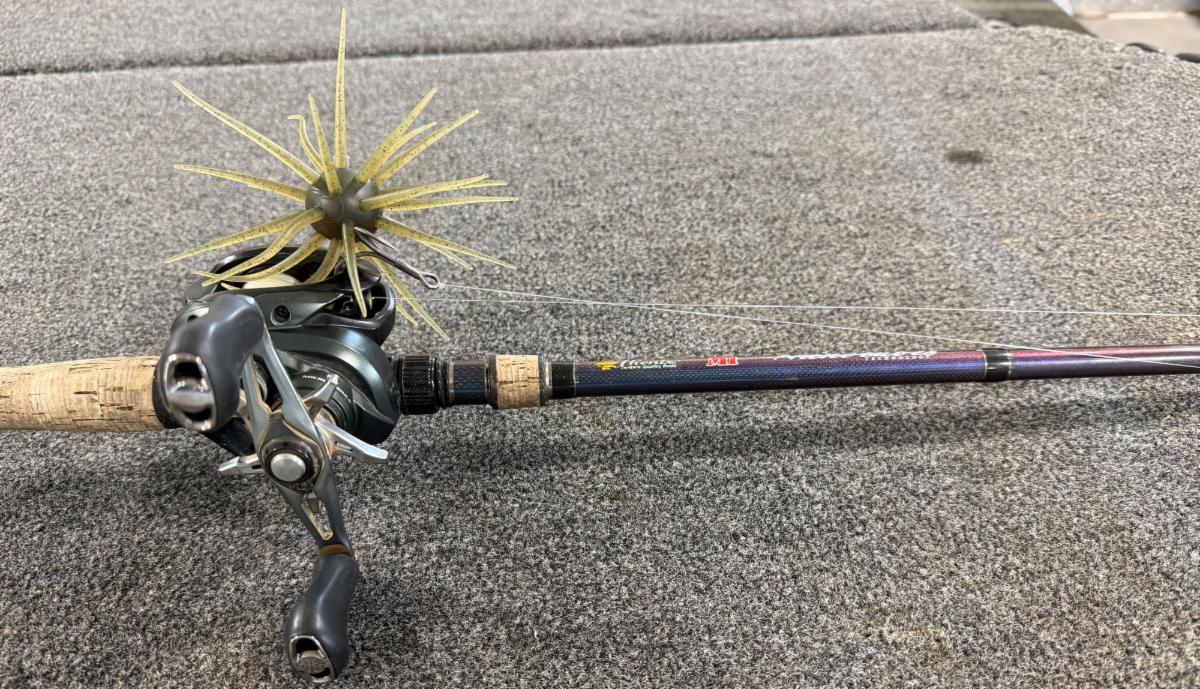
> "At Toledo Bend, especially this time of year, you could see that a lot of us were throwing the Coike Fullcast. That's a bigger urchin bait, and some guys were throwing big minnows.
> "The drawing power of those 2 baits is unlike anything else. I think that's why you'll see guys across the country throwing those bigger baits whenever we go to places with big bass.
> "It's a little different in Feb or whenever the baitfish are super small. But when those fish start switching over to gizzard shad, having a bait with a bunch of drawing power is a big deal.
> "That might be a big glide bait, a 7-8 inch minnow or the Coike. The Coike moves so much water that it really gets their attention. When you come across the right fish, they're just going to absolutely go after it."
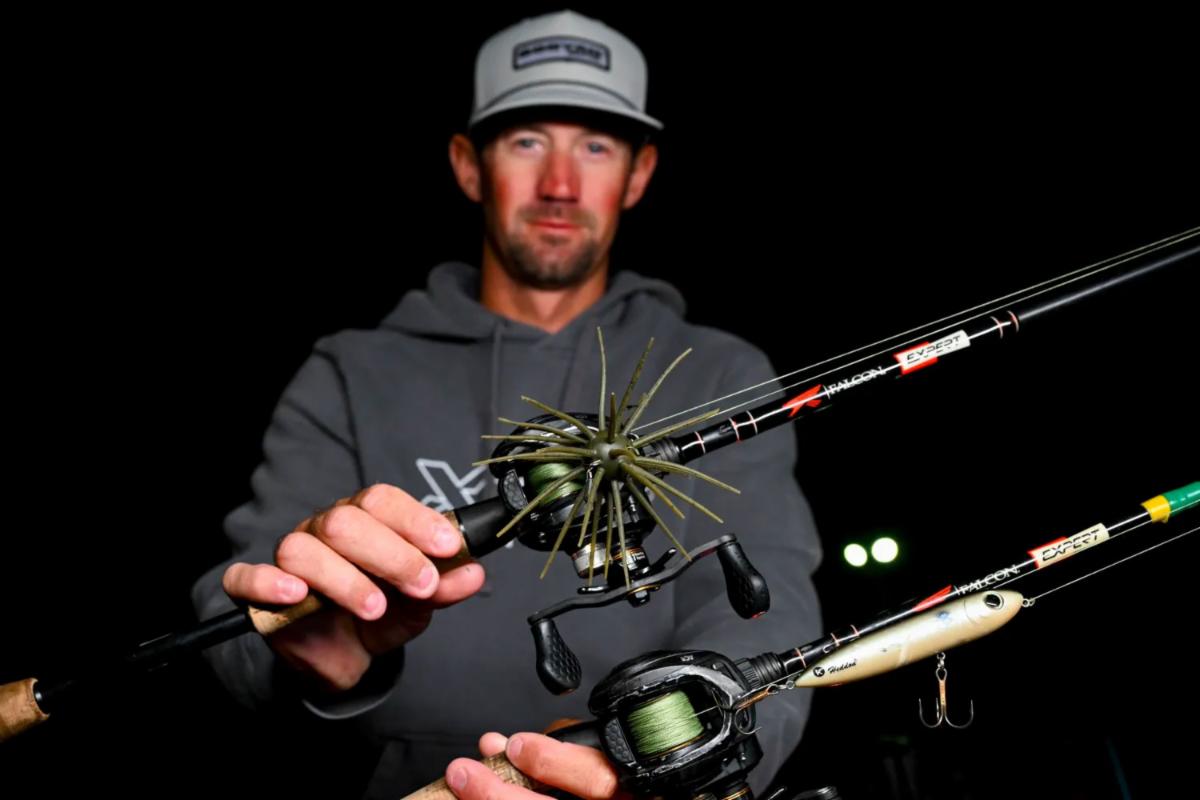
Ethan's winning setup
|
|
|
Top 10 baits breakdown from the T-Bend EQ
|
|
|
Since you already know how Ethan fished, gonna jump right into it. All the bait pics are on the Bassmaster site. If you look at 'em, you will see it was another young top 10, with one exception. Yes it was a FFS tourney.
Minnow = 70% – Deps Sakamata Shad (7") 30%, 6th Sense Shindo Shad (7"), D Style Virola Minnow (6" and 5"), Rapala CrushCity Freeloader (6" and 7.25")
Urchin = 50% – HideUp Coike Fullcast 30%, Berkley MaxScent Moeba, YUM Urchin (not out yet), Rapala The CEO (says 26mm – prototype size?)
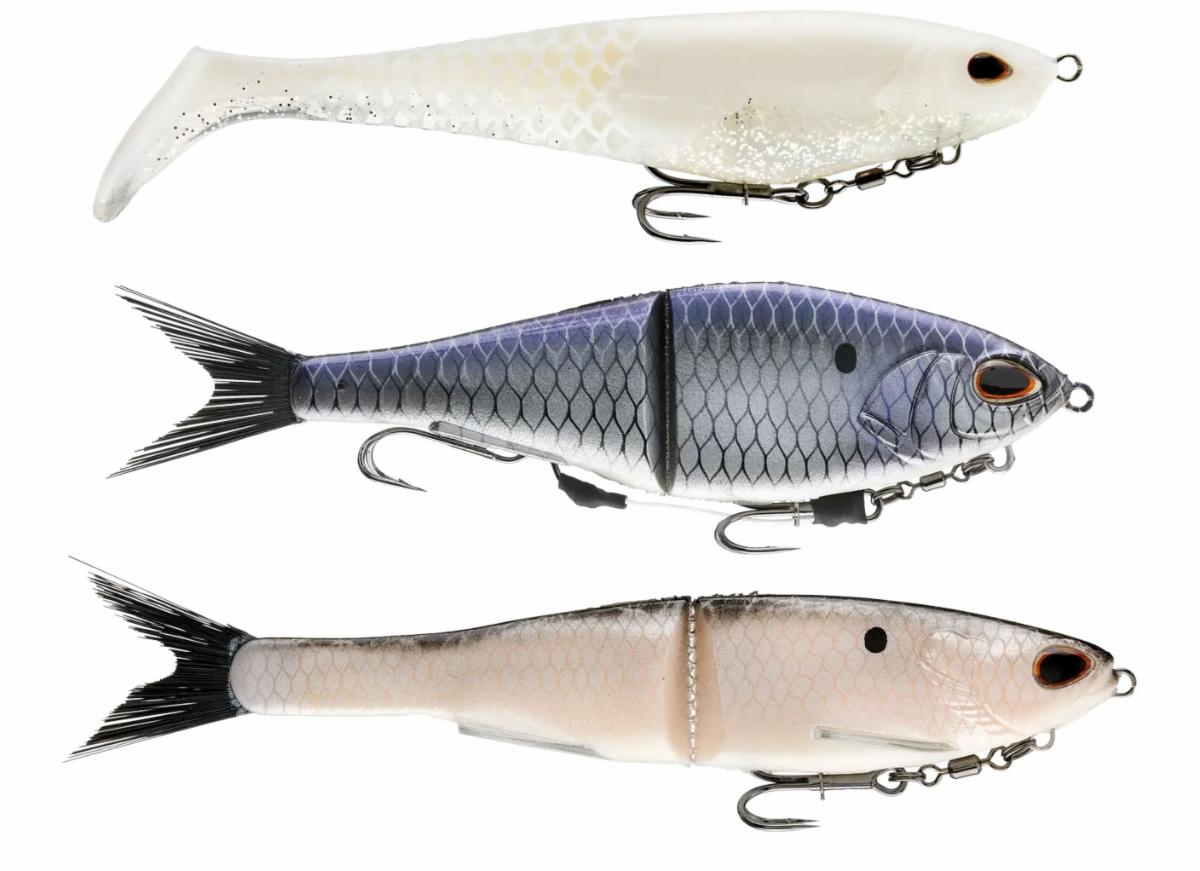
Glide = 30% – 9.5" KGB Prince, 9.5" KBG OG Legend, 9" Henry Barber, 7" KGB Resin Chad Shad, Clutch Boss
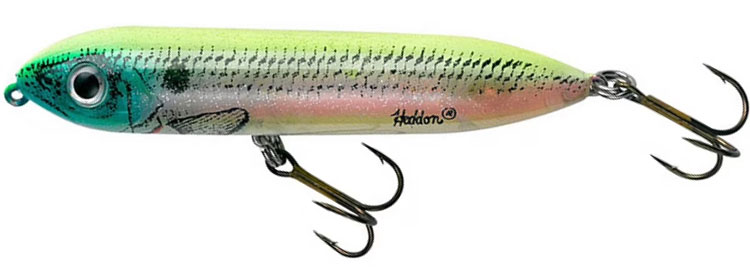
10% each = Jerkbait (Berkley Stunna), Big soft swimbait (6th Sense Whale), Topwater (Heddon Zara Spook)
Shoutouts
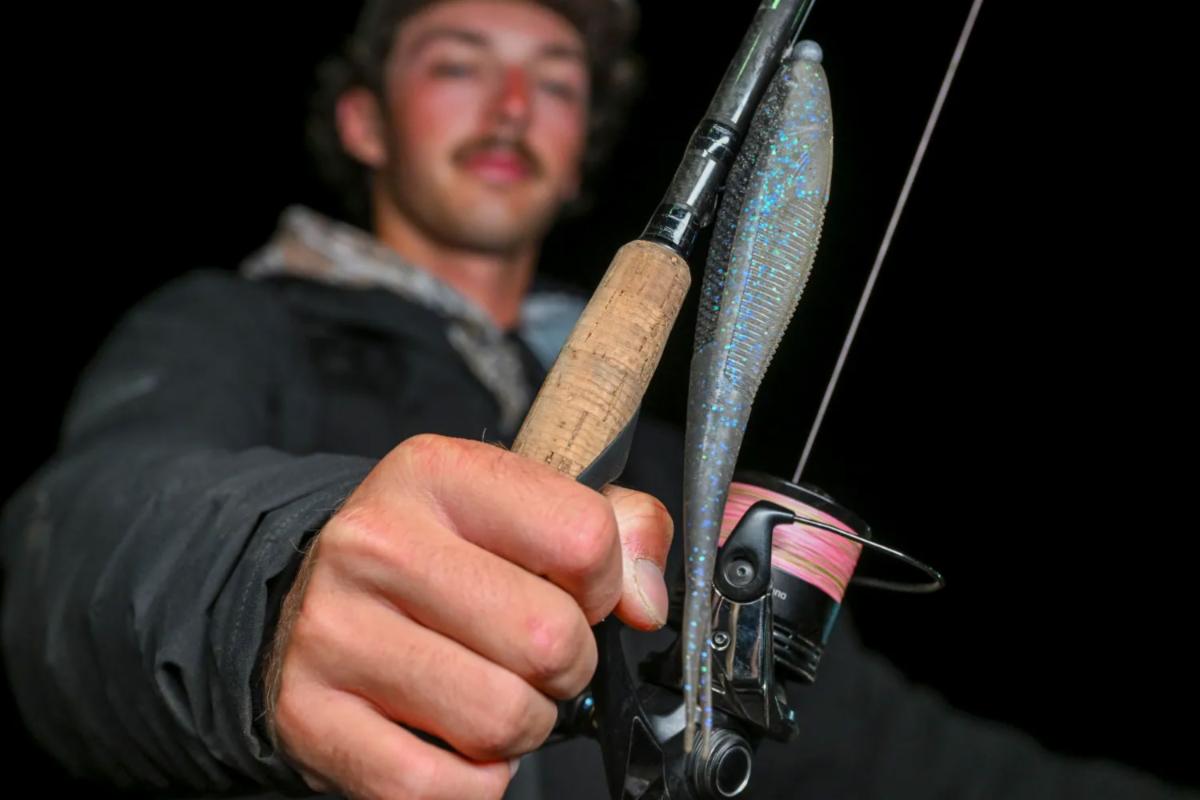
1. Check this color Berkley Stunna that Lucas Lindsay (4th) was fishing. Not sure what that color is but it looks real good:
|
|
|
2. Here's the old man of the top 10: Luke Palmer. And that urchin bait is the new YUM Urchin which should be out in Nov:
|
|
|
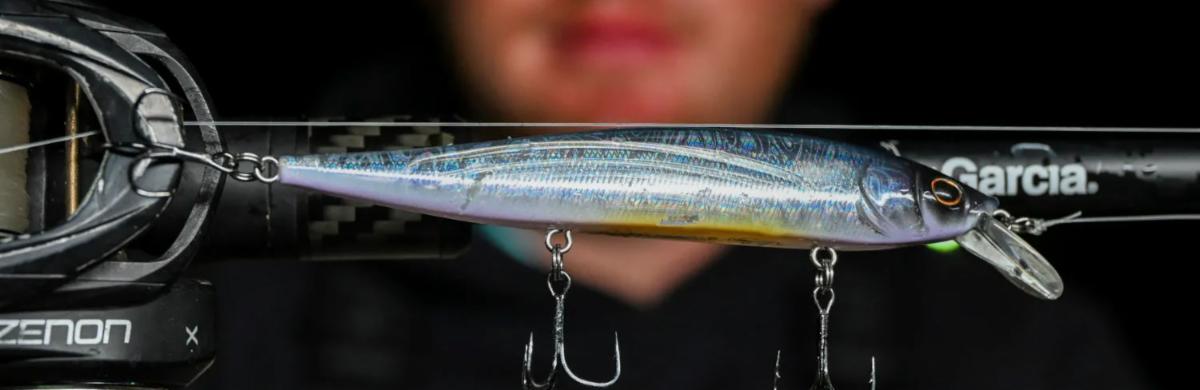
3. Fisher Anaya (10th) was fishing a prototype CrushCity minnow. Looks a little like an existing CrushCity bait, The Jerk, but not the same:
|
|
|
4. More and bigger glides than I think I've ever seen in a top 10. Bottom line seems to be you better be comfortable chunking 3-oz glides in the middle of a tournament, just in case.
5. Props to the B.A.S.S. media guys for getting all the lengths of the minnows.
|
|
|
Dang man. Losing folks down here is hard. But I am grateful that we really have some great ones in bassin', whether they get bassin' famous or not. Thank you Lord!
Bill was very well-known, especially if he was the TD for a tourney you fished. I didn't know him well, just enough to say hey and a few words to each other in passing. But I knew him by reputation, and I'm pretty sure I only heard good things about him. The anglers felt like he deeply cared about them and the sport, which is RARE to hear.
Think about that for a sec – a bunch of tournament fishermen agreed on something good about a guy who represented a tournament organization?? Others have been in that camp, like Trip Weldon, but it is a rare deal.
All the comments since Bill passed have reinforced all that. A few of them are below, plus MLF did a real good post on him and a lot of tributes are on his FB page.
Wesley Strader
> "I can't tell you what this man meant to me and my family. I thought the world of Bill. Him and his wife Barbara were two of my favorite people on and off the road. Him and my Dad worked [together] and were great friends."
Scott Martin
> "I've been blessed to have several influential men in my life, and I can honestly say Bill Taylor was one of them. ...one thing you could always count on was his integrity. As a young angler coming up through the ranks, Bill taught me a lot about what it meant to have integrity, respect others, and do things the right way. Those are lessons I've carried with me throughout my career.
> "Bill truly cared about us anglers and wanted to see us succeed. He was always there with a word of encouragement, a little advice, or sometimes a good kick in the pants when we needed it! He believed in us and pushed us to be better, not just as fishermen, but as people.
> "Bill was more than just a tournament director. He was a leader, a mentor, and a friend to so many of us. He helped shape an entire generation of anglers, including me, and his impact on this sport will never be forgotten."
David Walker
> "Such a great guy and an unbelievable fisherman who taught me so much. I know I will and so many others are going to miss his enthusiasm and dedication to the sport of fishing. He has helped so many I will always remember the great times I spent fishing and the travel to tournaments with Bill. It's a loss for us all."
[This pic was 10 months ago.]
|
|
|
Kathy Fennel
> "His loyalty, his fairness and his kindness were what stood out. He always wanted to do what was right. ...he was an incredible mentor. Whether it was a young angler just getting started, an established pro going through a difficult time or one of us who worked alongside him, Bill was always there to offer his support."
Trip Weldon
> "Bill was a great man and tournament director. We talked often through the years. He loved our sport and certainly made it better."
_____
As always, I can't do a man's life justice here – apologies. I just want to underline that we lost a solid and important bassin' brother: He loved the sport and people, and was a great TD. He was also a former Army helicopter flight medic, and retired from MLF in '22.
Bill had cancer and was 79. Bless you and thank you bassin' brother. Please pray for his family and friends. ✝️🙏
|
|
|
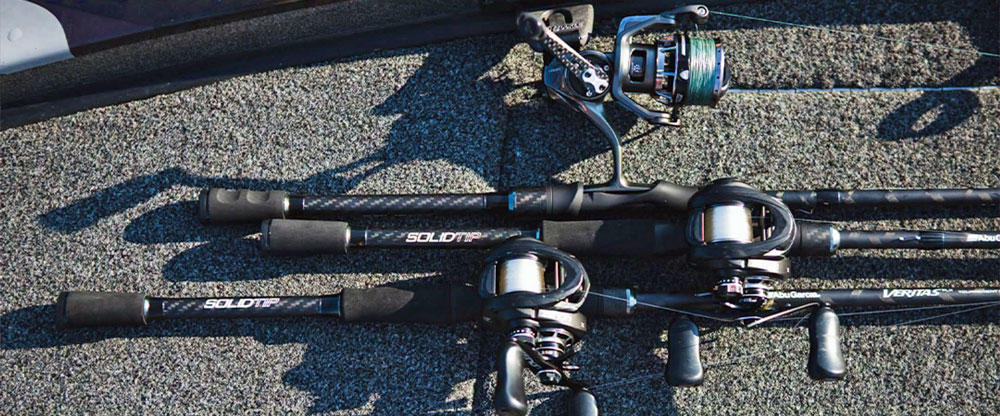
New solid-tip Abu rods are SOFT-tip rods, for FFS techniques
|
|
|
I thought the solid tip meant they were stiffer but nope! The opposite.
Talked to Abu product guru Andrew Wheeler about their new Veritas Tournament Solid Tip Rods (spinning and casting), here we go:
1. What's the reason for the solid tips?
> "These types of rods have been around for a long time – that style – but they've found a good niche with guys fishing FFS. Really the benefit is when you're fishing a bait you want to put movement into without pulling it too far forward at the same time.
> "...it's kind of counterintuitive because most tips you want really light and sensitive. But when you're using a FFS bait, you want that rolling, particularly on a minnow. So having a solid section of tip allows you to get that bouncing action in the bait and you don't have to do a lot to get the tip to do that – because it is a solid piece of tip [about the last 8-9 inches].
> "It's actually got a little more mass to it than a traditional tip. So it allows you to kind of get that cadence you need...."
2. Does a more limber tip mean more action or easier rolling?
> "Easier rolling. It's easier to get the tip to give you that cadence, to work the rod in the way you nerd it to get the tip to start to bounce to give it that roll you need."
3. Why do 'em in casting rods? Why not just spinning?
> "It's kind of a new thing in the casting rods, but honestly because there are bait techniques that use a casting rod that do benefit from a solid tip – where you want to add movement to the bait without pulling it too far forward.
> "Even just a jig – giving a jig a shake without having to pull it forward...throwing an urchin-style bait: Even though you rip it occasionally, you can also shake them in place. Also bed-fishing.
> "Anytime you don't want to pull the bait forward but want to impart action."
[Also shakey, Neko....]
|
|
|
4. Any tradeoffs with the softer tip, like casting accuracy or distance?
> "Depending on the rod that you pick...if you overweight them too much, you will lose some accuracy a little bit because of the way they load. But you've got to really overweight them to have issues like that.
> "[With FFS] most guys are just pitching a bait. They're not actually throwing [a long] distance with it."
5. Do you think we're in an era where techniques are less forgiving? Like you can't be a foot off, you can't be 6" off, you've got to be dead on to get that fish to eat, and is that maybe why these types of rods are coming out now?
> "Yes that and it's a very specific action you want to give to a bait. I think that has been refined in the last 3-4 years where...using a jighead minnow, you want that rolling action in place to mimic life but without pulling the bait away from the fish.
> "When you get these specific techniques now being used for FFS and for pressured fish, you're going to see techniques and products evolve alongside...to try and help make it easier for the angler, essentially."
_____
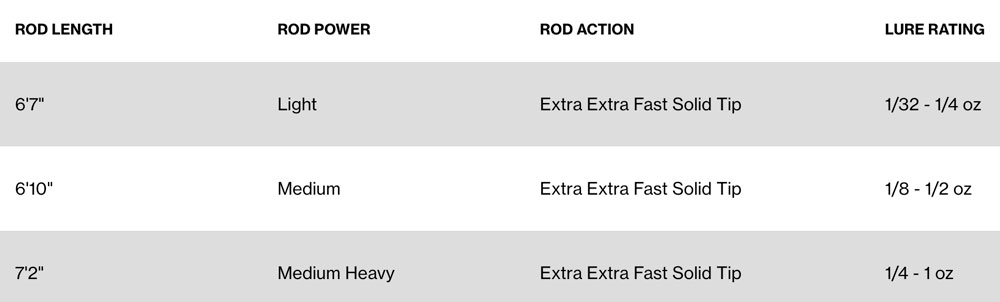
Andrew said for now the solid tip rods are only in the Veritas Tournament line. He also said that when you're picking one of these rods, make sure you look at the chart about bait weights because the rods were specifically designed for those weights. Here's what the spinning chart looks like on the Abu site:
|
|
|
We also talked a little about their new ultra-ultra-lightweight Zenon CX rods and reels. Found out the reels are LH retrieve only, and you have to flip the bail back with your hand. Those are 2 results of trying to take as much unneeded weight out of the reel as possible.
He also said those crazy lightweight CX rods are 50-100% more sensitive than similar rods. 🤯
|
|
|
3. CA: Key to Don Pedro win was working a Spook fast
BAM Super 60 winner Christian Ostrander said:
> "Just workin' it crazy fast. That's what I think a lot of people don't do. Everyone wants to go slow with it.
> "These fish this time of year, you could see 'em on your LiveScope, when they come up after your topwater or your minnow [he also fished a minnow], they're goin' fast. They don't want your little Spook goin' side to side."
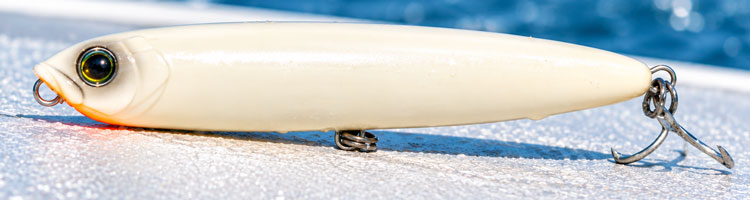
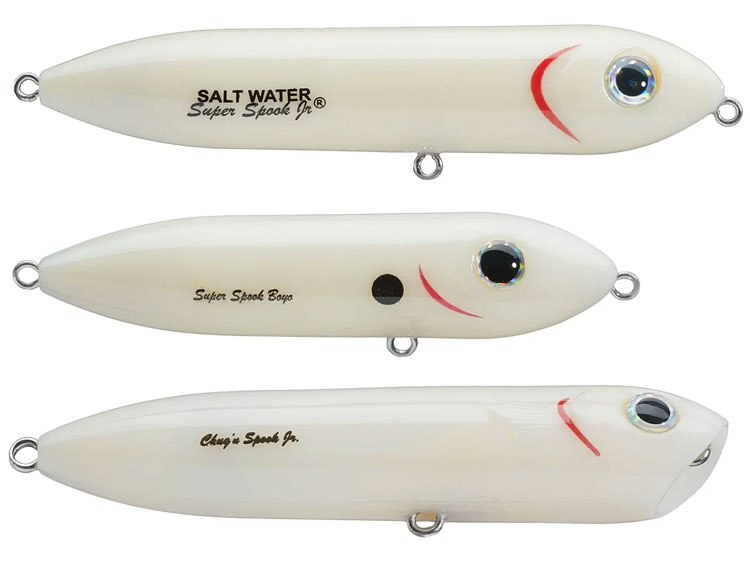
He fished a Heddon Super Spook in 'Okie shad,' which is Jason Christie's favorite color Spook:
|
|
|
Some good Jacob Wheeler fall crankin' tips
From an MLF post:
> "Most of the best places are small areas on channel banks or little channel swings.
> "I'm not talking about a 200-yard stretch of riprap because there may only be 3 or 4 good areas on that whole stretch. Most of the best areas will be something with 'crunchier' bottom, whether that's little rockpiles or some wood that your bait can deflect off of.
> "When you find that, that's the juice, and you really need to take your time there and make several casts from different angles."
> He believes profile and speed are the most important factors. "Trying several different baits will tell you what sort of action they want. I'm not big on a bait having to perfectly imitate a shad or crawfish because the best areas are ambush spots to feed, and they will eat whatever is available.
> "I'm not big on one color being that much better because it has a yellow stripe down the side or a red throat. I only think about switching up colors if they're short-striking the bait and you aren't hooking all of them – but switching to a different [crank]bait style can also help with that sometimes."
|
|
|
|
|
Jay Kumar's BassBlaster is a daily-ish roundup of the best (sometimes worst) and funniest stuff in bassin', hand-picked by me – Jay Kumar. I started BassFan.com, co-hosted Loudmouth Bass with Zona, was a B.A.S.S. senior writer and a bunch more in bassin'. The Blaster is the #2 daily read on any given day in the wide world o' bass so thanks for readin'!
|
|
|
Sign up another bass-head!
If you're forwarding every Blaster to other bass crackheads, tx much – or you can email me the addys and we'll take care of it! We'll never send spam or whatever....
|
|
|
Gitcha BB social at these links
|
|
|
|